Two New Sculptures by jd hansen
For an artist whose work has spent decades examining the human condition, jd hansen has occasionally allowed an animal into the conversation. Horses...
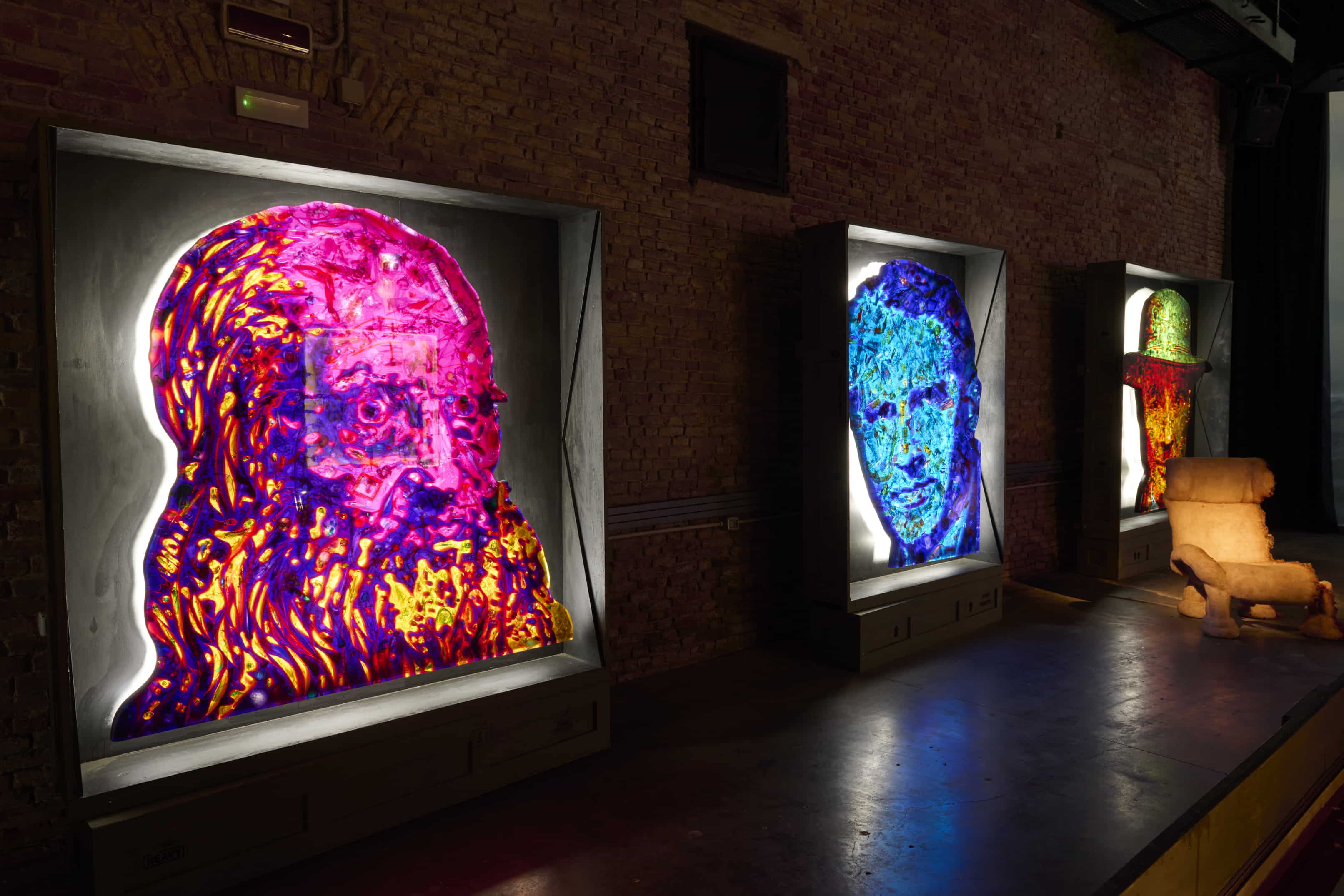
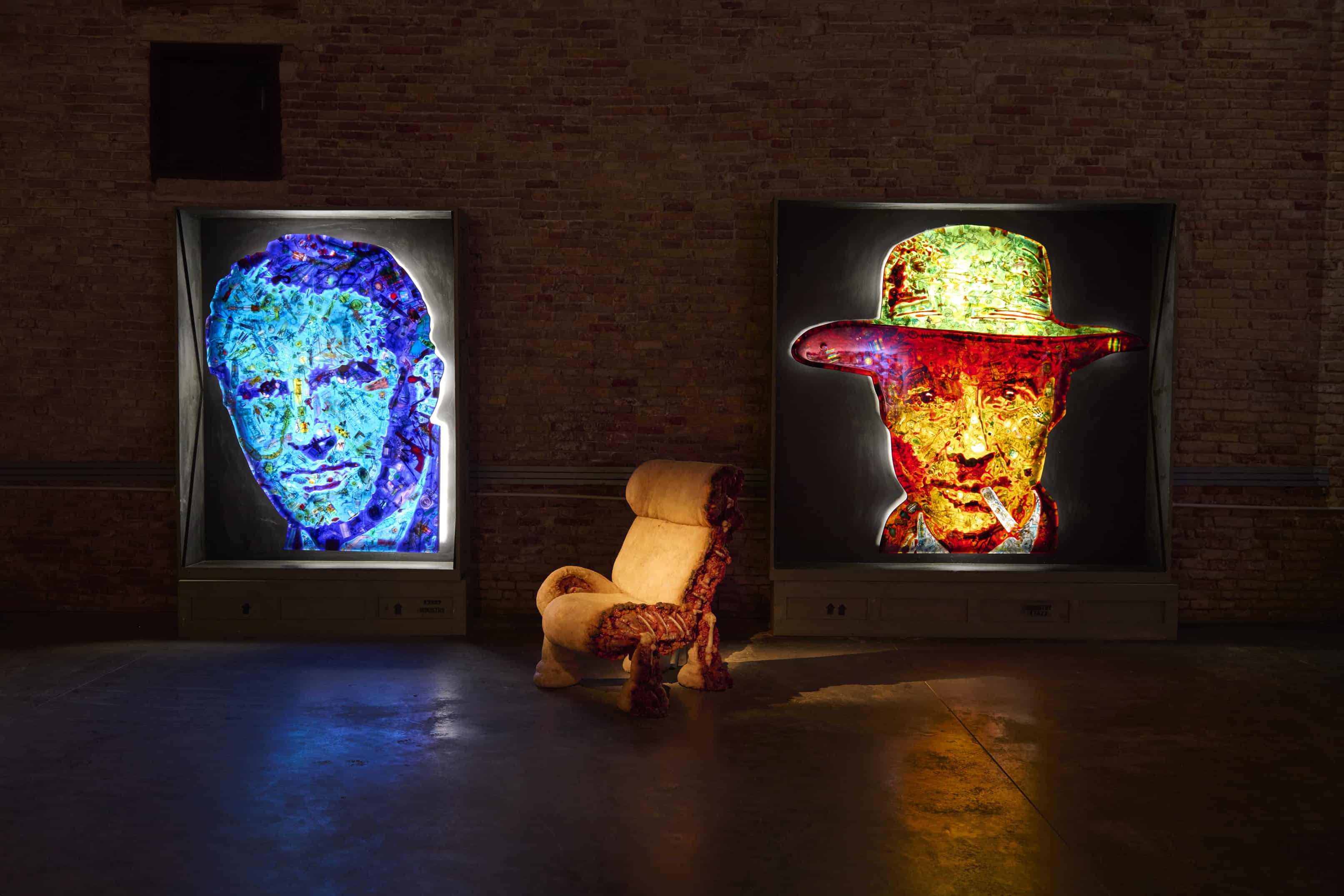
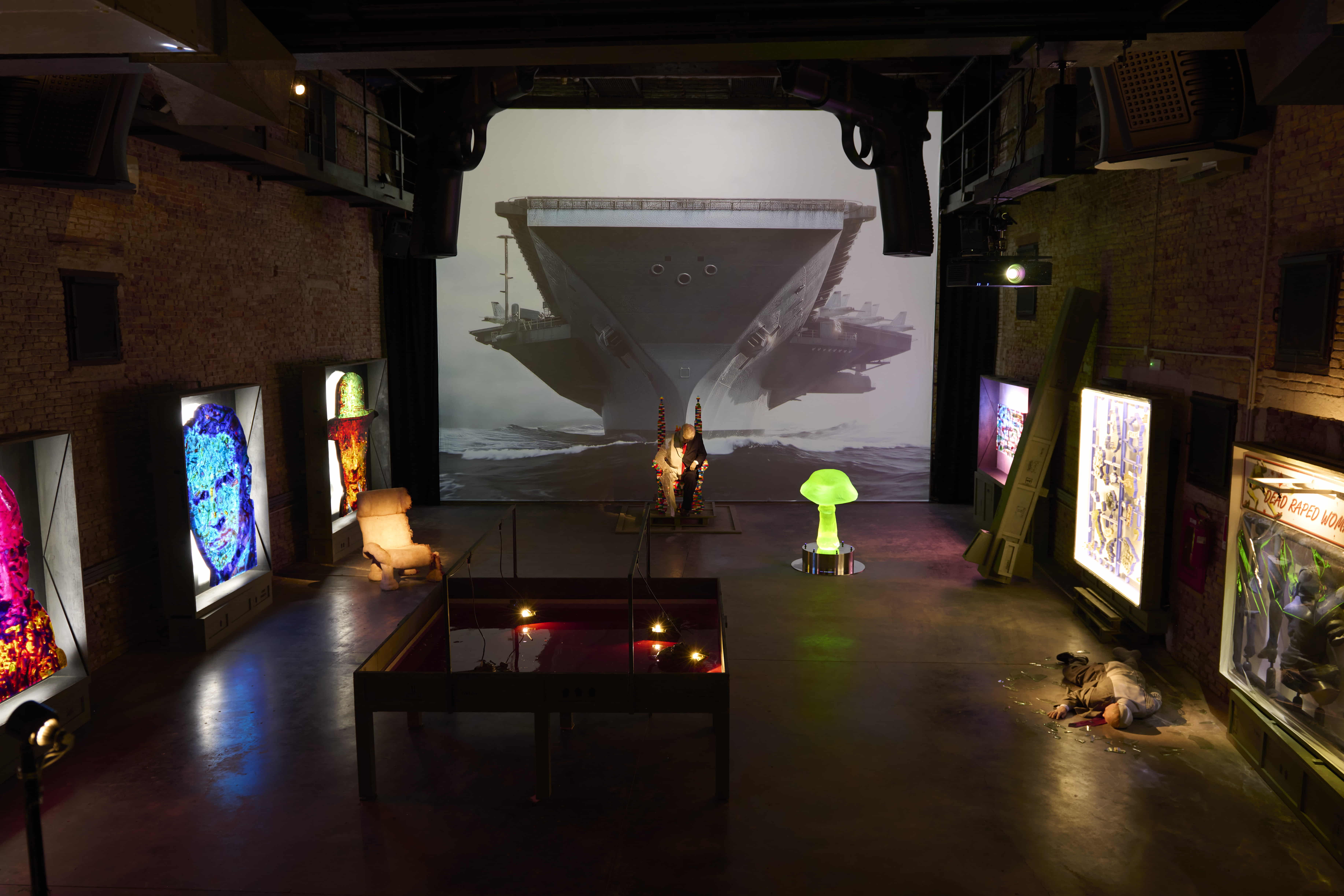
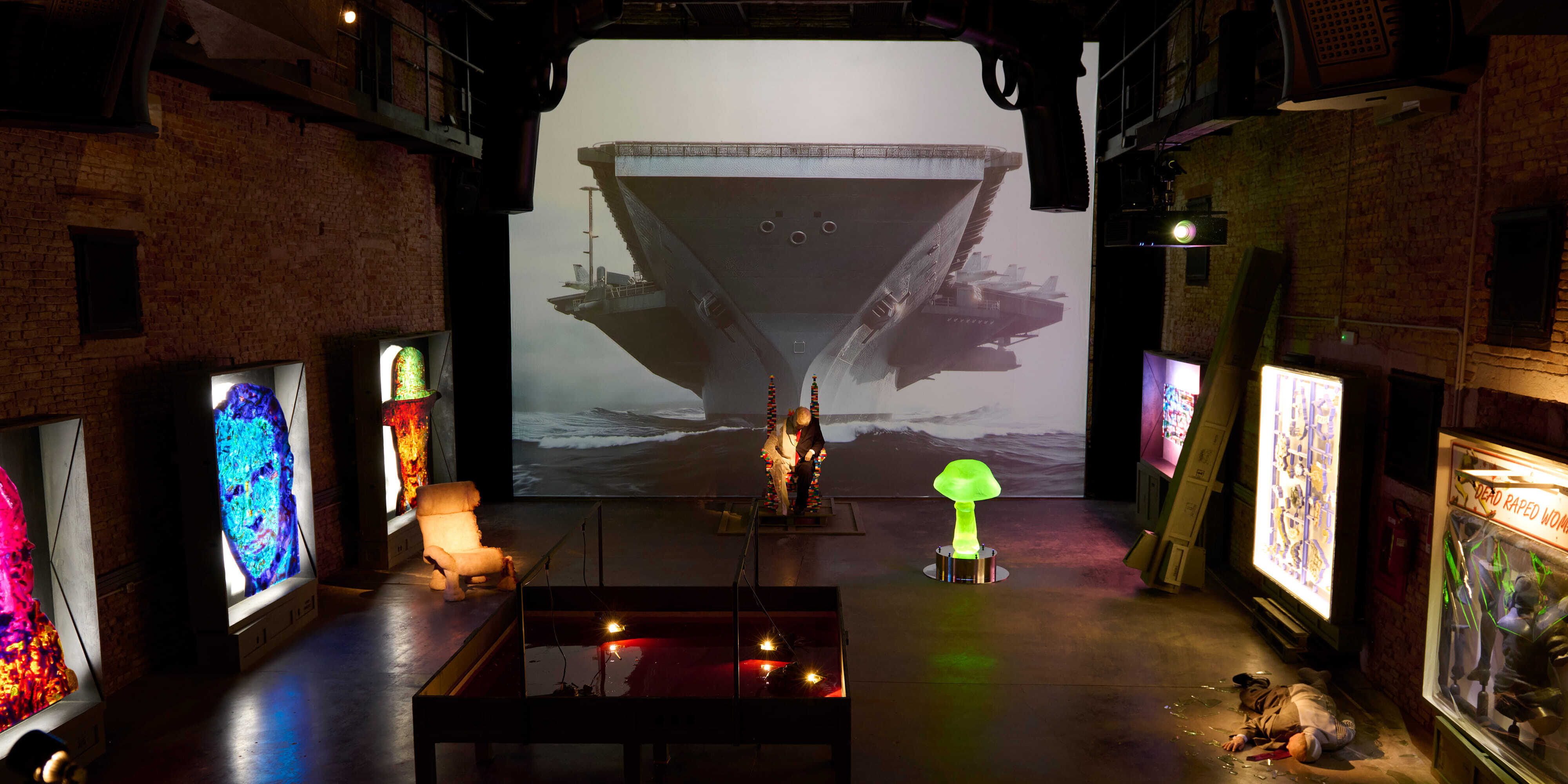
There are artists who participate in the Venice Biennale—and then there are those who, quite unapologetically, hijack the conversation around it entirely. David Černý has spent more than three decades doing precisely that. With Artocalypse, unveiled this week in Cannaregio, he delivers something that feels less like an exhibition and more like a controlled detonation—part psychological theater, part political satire, and entirely unwilling to behave.
The title alone does most of the work. Artocalypse collapses spectacle and catastrophe into a single word—absurd, ominous, and unmistakably Černý. Installed just outside the polished machinery of the Biennale’s official program, the exhibition trades institutional neutrality for something far more volatile.
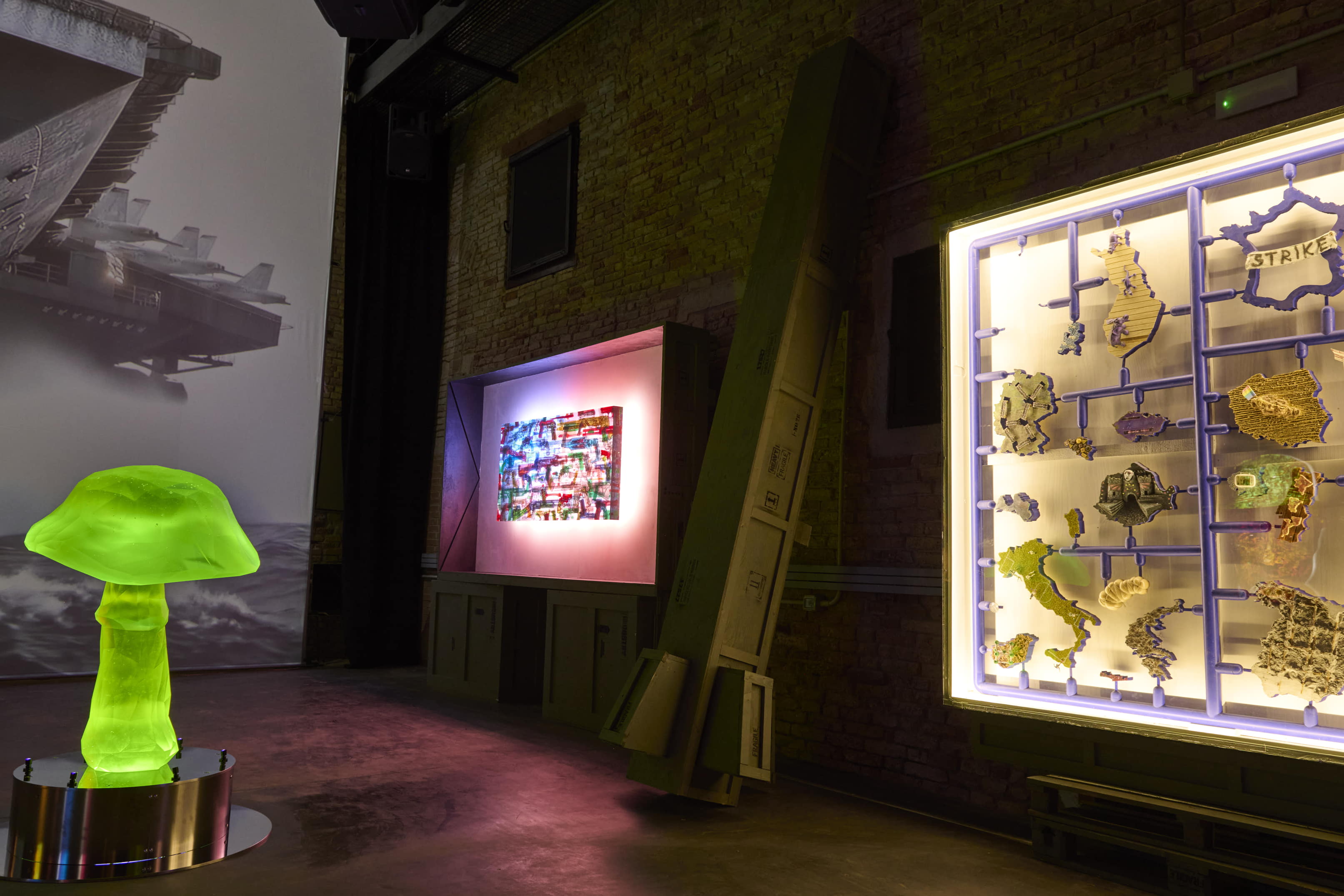
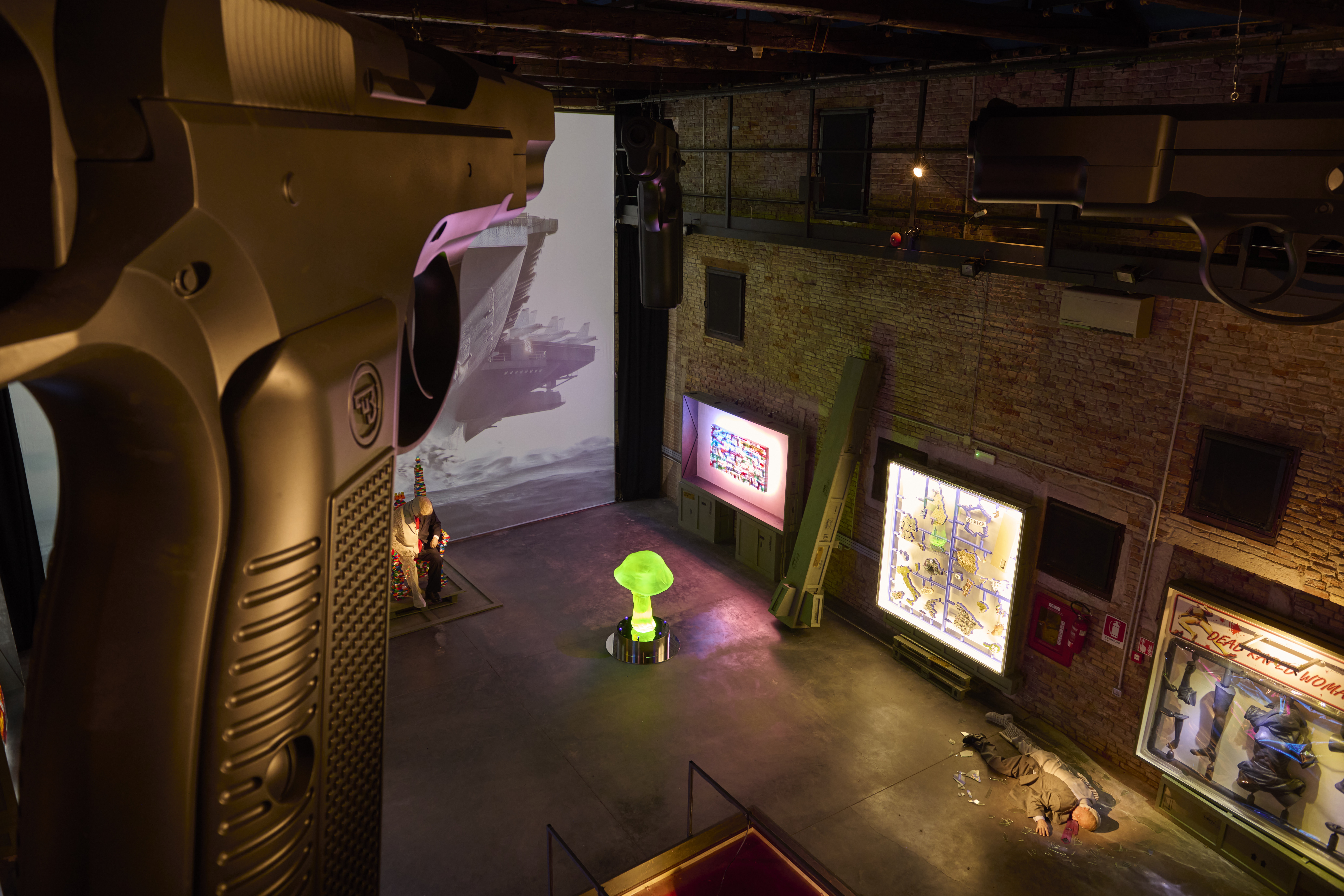
Inside, visitors encounter a landscape of mechanized forms, weapon-like structures, and kinetic figures that unfold with the uneasy logic of a world simultaneously fascinated by innovation and quietly addicted to destruction. It is immersive, theatrical, and deliberately disorienting.
Among the most talked-about works is a life-size sculpture of Vladimir Putin, depicted mid-fall after an apparent defenestration. Shards of glass scatter around the figure, and in a detail that borders on grotesquely cinematic, one finger continues to twitch. It is unsettling, darkly comic, and technically precise—exactly the kind of image that has defined Černý’s career.
Equally sharp in its conceptual bite is Schrödinger’s Rocket, a missile-shaped crate that riffs on Erwin Schrödinger’s famous thought experiment. Here, the box becomes geopolitical rather than philosophical—its contents unknowable, its implications enormous—an absurd yet chilling metaphor for the opaque arsenals of the world’s most powerful nations.
Beneath the spectacle sits a distinctly Central European sensibility—shaped by post-Soviet memory, political distrust, and a kind of Kafkaesque absurdity where humor and menace rarely exist separately. Černý’s work does not simply provoke; it reflects a worldview forged in systems where truth was often negotiable.
Černý first drew international attention in 1991 when he painted a Soviet tank monument in Prague bright pink—an act that was equal parts vandalism and cultural reset in the aftermath of communism. It set the tone for a career built on calculated disruption.
Since then, he has created some of the most recognizable public sculptures in Europe: the crawling Babies scaling Prague’s Žižkov Television Tower, the monumental rotating head of Franz Kafka, and Entropa, the infamous installation commissioned during the Czech presidency of the European Union that managed to offend nearly every member state simultaneously.
His practice has increasingly moved toward ambitious kinetic and monumental works operating at the intersection of engineering, architecture, and psychological tension. These are not static objects—they move, rotate, and confront.
While Venice may be the current focal point, Černý’s reach is global. In Santa Monica, his portrait of David Lynch stands as a fitting dialogue between two minds drawn to distortion, unease, and the subconscious.
More recently, he completed a towering 40-foot sculptural project for the Paris Olympic Games, reinforcing his position as one of the few contemporary sculptors capable of merging public spectacle with conceptual aggression at a truly monumental scale.
Venice in the summer is many things—romantic, crowded, occasionally overwhelming—but during the Biennale it becomes something else entirely: a living laboratory of contemporary thought. Artocalypse slips into this ecosystem with remarkable precision by refusing to play by its rules.
The Biennale has always existed somewhere between cultural diplomacy and artistic disruption. Černý simply removes the diplomacy.
For those visiting Venice this summer, Artocalypse is likely to become one of the essential off-site exhibitions of the season—not because it is comfortable, but because it is impossible to ignore. It doesn’t ask for agreement. It demands engagement.
And in a moment when much of contemporary art risks drifting toward careful neutrality, that alone feels almost radical.
Artocalypsa
Cannaregio 5013
Venice, Italy
May 6 – November 6, 2026
Artist Statement
Throughout my life, weapons have repeatedly appeared in my work as a central phenomenon. They are a subject that fascinates me from many perspectives. Weapons have long stood — and will likely continue to stand — at the pinnacle of human technological achievement. At the same time, they represent the most destructive dimension of our existence.
Viewed through the lens of today's world, current political tensions, and widespread anxiety about the future, weapons emerge as a phenomenon of the highest urgency. Almost any globally devastating event — whether a pandemic, climate crisis, or economic collapse — ultimately risks escalating into armed conflict, a struggle for survival, and the inevitable presence of violence.
In my work, I examine weapons and their creators, users, admirers, and opponents from countless angles. This exploration is not static; as I return to the subject, my own inner space continues to evolve. Weapons are not only objects or tools in my work, but mirrors of power, fear, ambition, and the changing state of humanity itself.
David Černý, 2026
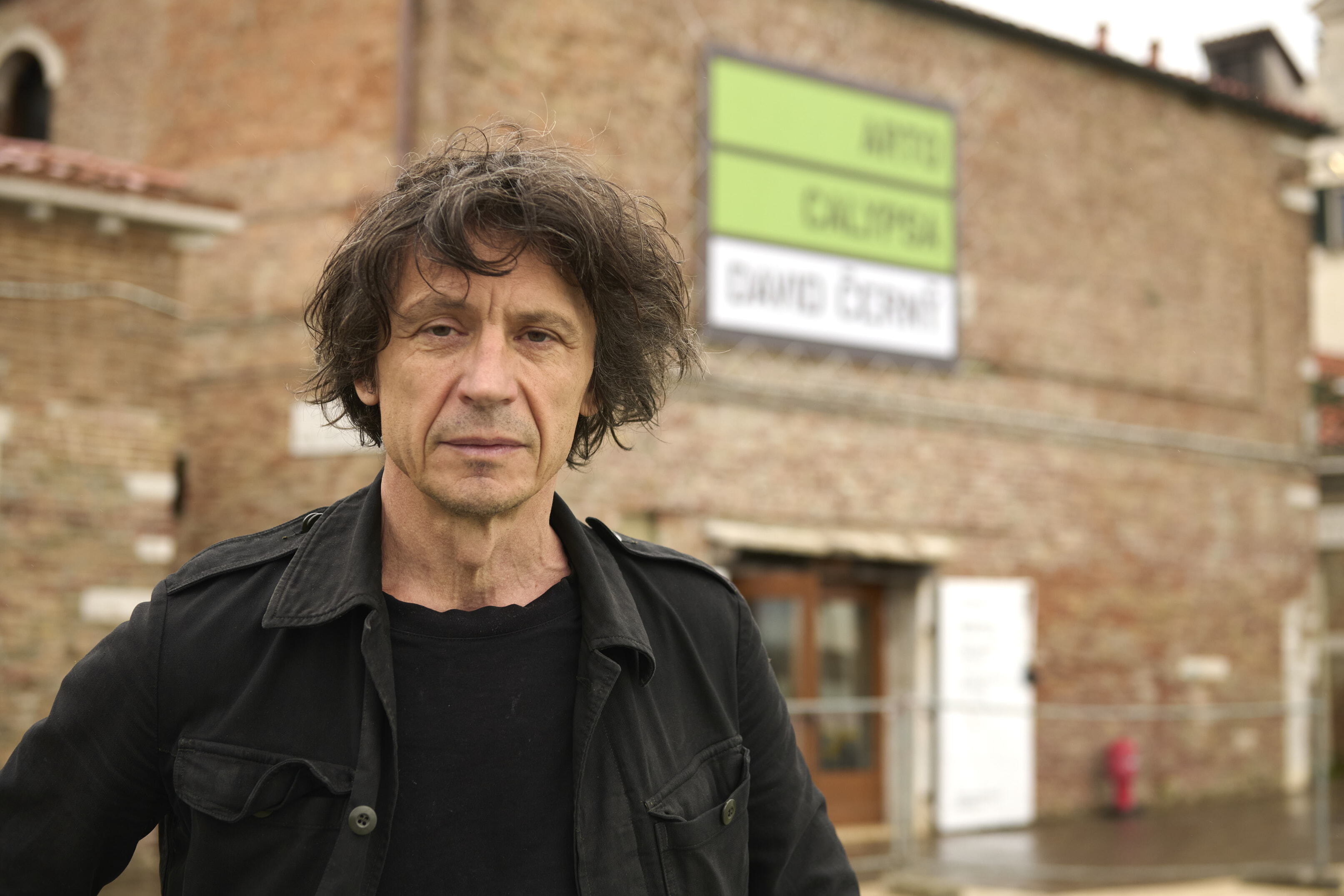
Few contemporary artists provoke reactions as instinctively as David Černý. His works are often described as ironic, satirical, controversial, or outright offensive — usually by people who secretly can’t stop thinking about them afterward. But beneath the provocation lies something far more complex. Černý’s sculptures function less as declarations than as mirrors, exposing the contradictions, anxieties, absurdities, and darker impulses that shape contemporary society.
His new Venice exhibition, Artocalypsa, unfolds as an immersive psychological landscape examining violence not as a singular event, but as a continuous condition woven through human civilization. Tanks rolling over masses of bodies, mechanized figures trapped in endless rotations, monumental weapons, surveillance imagery, and industrial choreography create a world where human invention and destruction appear hopelessly intertwined. It is unsettling, strangely seductive, and at moments almost absurdly theatrical — which, of course, is precisely the point.
The exhibition offers no comforting resolution. There is no moral instruction manual waiting at the exit. Instead, Černý places viewers inside a carefully engineered collision of image, sound, movement, and tension, forcing them to confront their own thresholds for discomfort, fascination, and outrage. In many ways, the audience itself becomes part of the work. What some perceive as provocation often reveals something more revealing: our own unease when confronted with the shadows we would rather keep hidden.
Rooted in the tradition of Central European absurdity — not unlike the philosophical spirit of Václav Havel — Artocalypsa balances dark humor with genuine existential tension. Černý understands that absurdity is not the opposite of meaning, but often the mechanism through which meaning becomes visible in the first place.
Entering Artocalypsa feels less like visiting an exhibition and more like stepping into a controlled experiment somewhere between political theater, psychological laboratory, dystopian spectacle, and contemporary cathedral. It is ambitious, excessive, intelligent, occasionally disturbing, and entirely uncompromising.
In other words: unmistakably Černý.
.jpeg?width=551&height=979&name=Cerny%20and%20Till%20(Ramstein).jpeg)
Till Lindemann, lead singer of the band Rammstein, and David Cerny during the VIP opening.
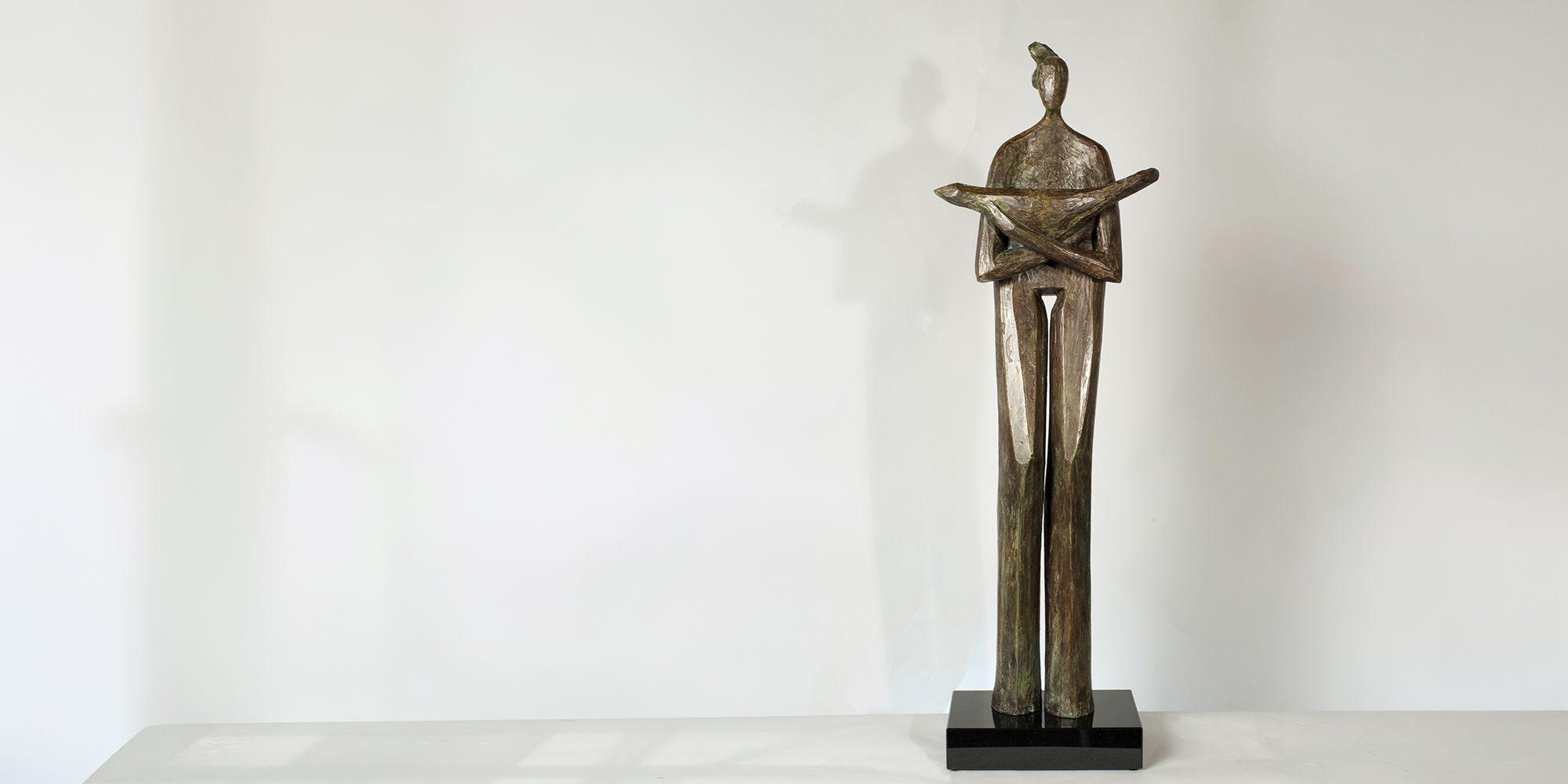
For an artist whose work has spent decades examining the human condition, jd hansen has occasionally allowed an animal into the conversation. Horses...
David Ebony is one of the most influential voices in American art criticism today. A contributing editor of Art in America, with regular writing for...
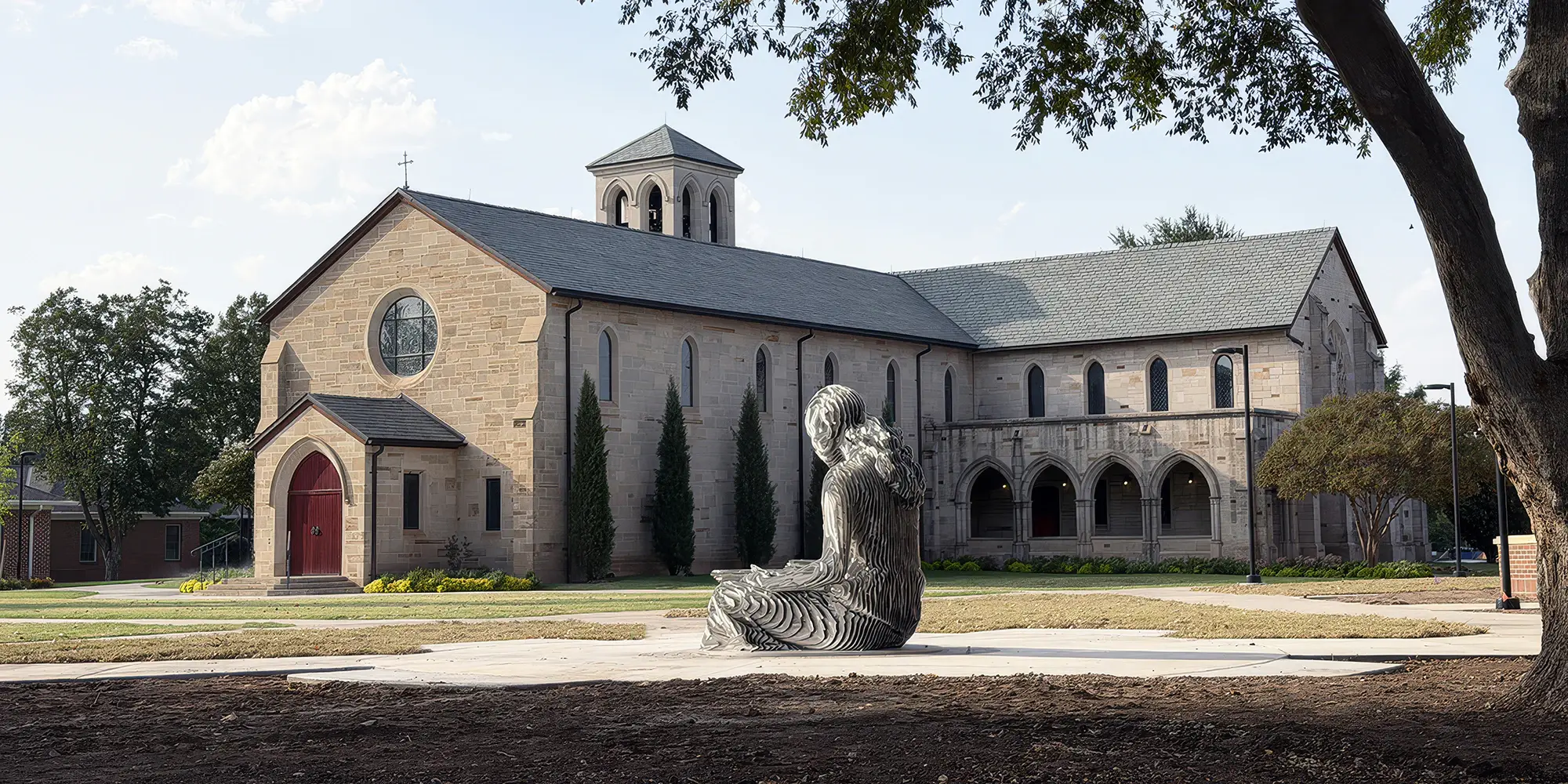
Julian Voss-Andreae’s new monumental public sculpture "Thalia" was unveiled near the Chapel of St. Edward the Confessor at Casady School