Two New Sculptures by jd hansen
For an artist whose work has spent decades examining the human condition, jd hansen has occasionally allowed an animal into the conversation. Horses...
For an artist whose work has spent decades examining the human condition, jd hansen has occasionally allowed an animal into the conversation. Horses and birds have appeared on a regular basis. Dogs, too. But never a whale.
Until now.
Two new sculptures by Hansen approach one of the recurring ideas in her work from very different directions: what happens when human beings form a profound connection with another living being. In one, the encounter arrived unexpectedly in the waters of Baja California. In the other, a woman holds a bird close to her heart, knowing that what she treasures cannot remain there forever.
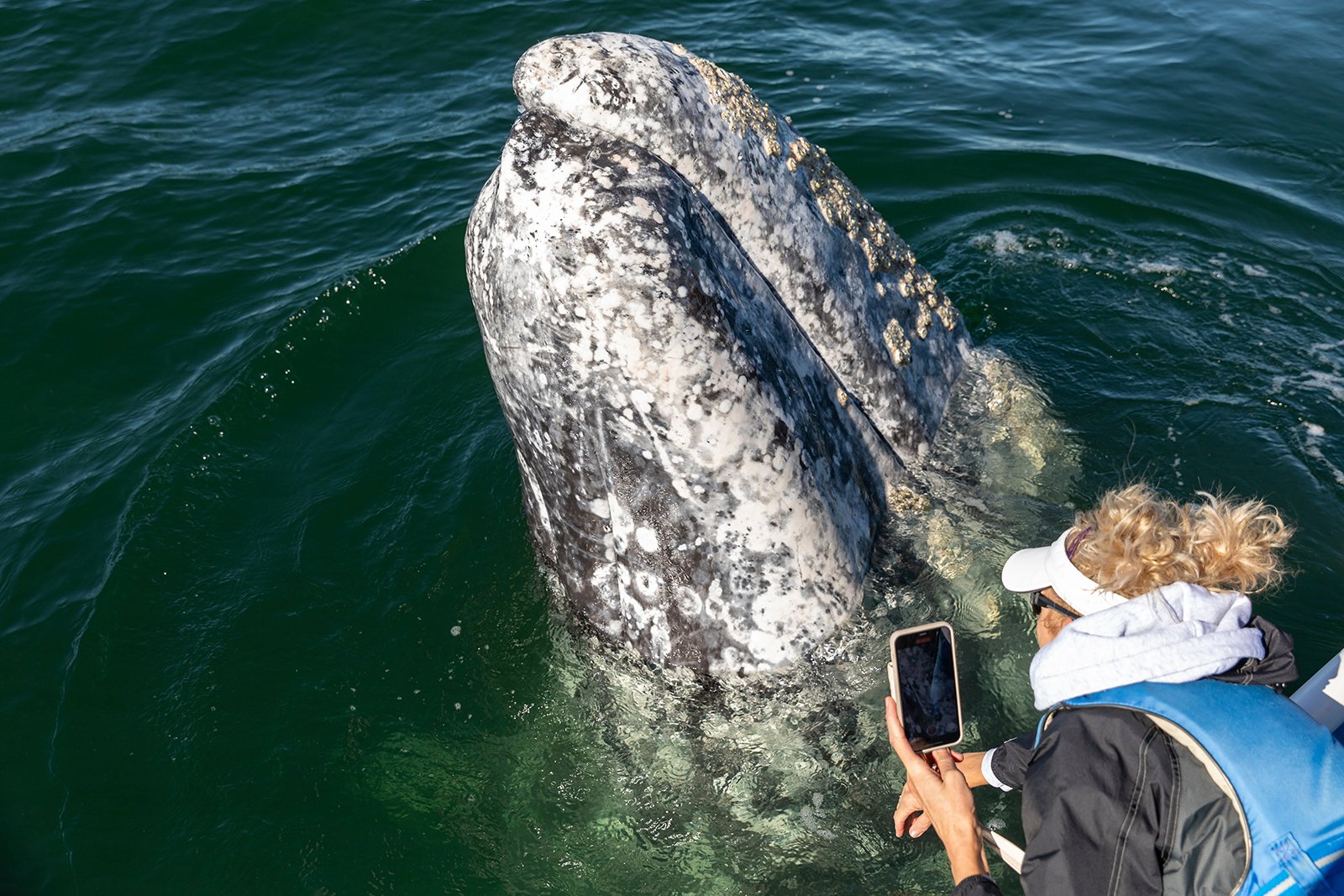
Last year, Hansen traveled with her husband to Guerrero Negro in Baja California Sur, Mexico, where the desert meets one of the great seasonal gathering places of the Pacific gray whale. They stayed in tents near the water and went out twice daily in small boats onto the lagoon.
Gray whales in these protected Baja waters are known for a rather extraordinary behavior. Instead of simply tolerating the boats, some approach them voluntarily—surfacing alongside, lingering, and occasionally raising their heads from the water in a behavior known as spyhopping. The encounters happen, importantly, on the whales’ terms.
On one of those outings, Hansen happened to be in precisely the right place.
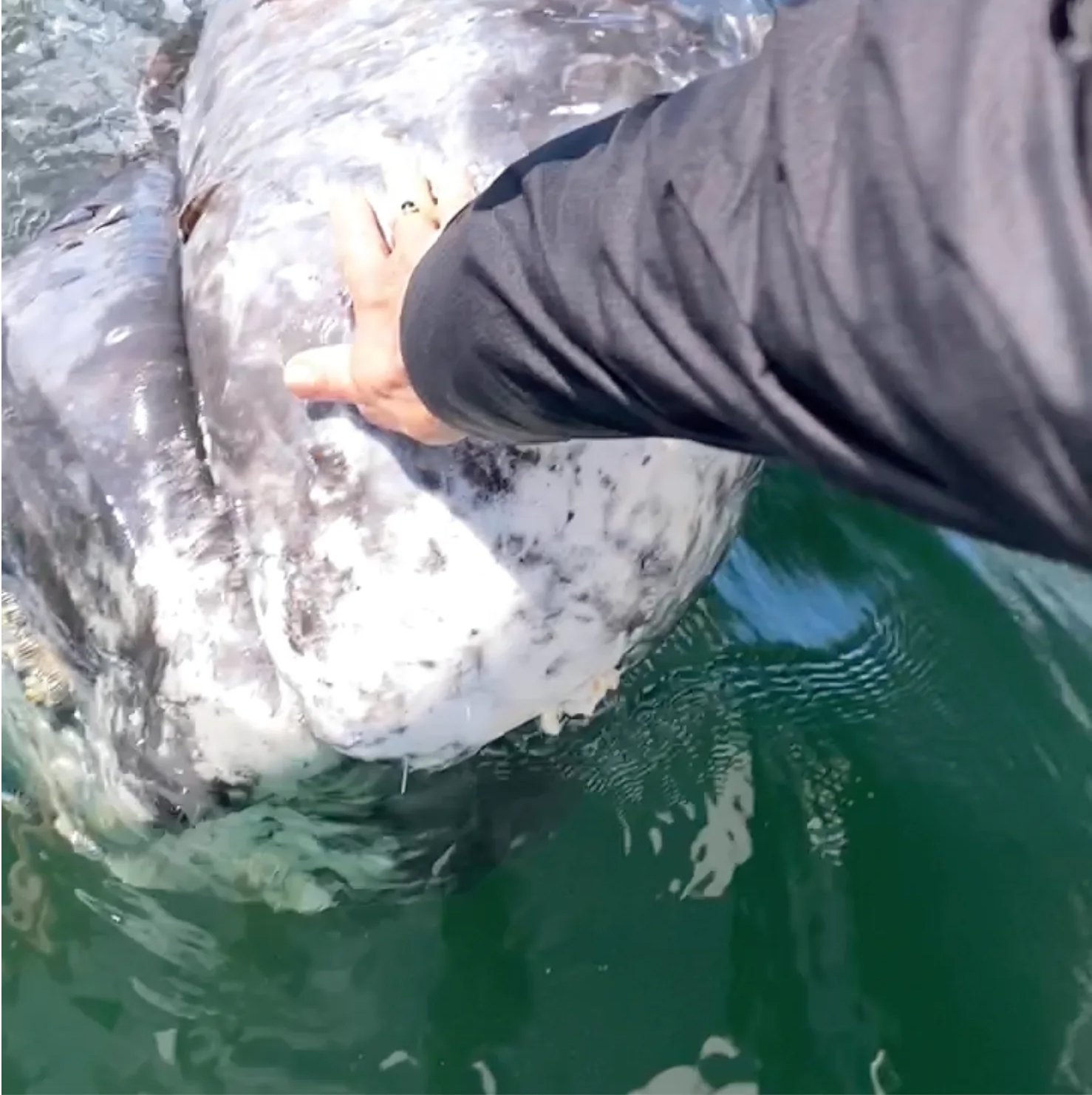
A whale surfaced directly beside her. She leaned over the boat, reached toward it and, in an encounter considerably more intimate than the phrase “whale watching” would suggest, found herself embracing a gray whale.
For Hansen, it stayed with her.
That should perhaps not be surprising. Although her sculpture is best known for its elongated human figures, Hansen's real subject has never simply been the figure. Her work circles around relationships: between one person and another, between vulnerability and strength, between solitude and belonging, and repeatedly between human beings and the natural world.
Nature in Hansen's work is rarely scenery. It is something one encounters.
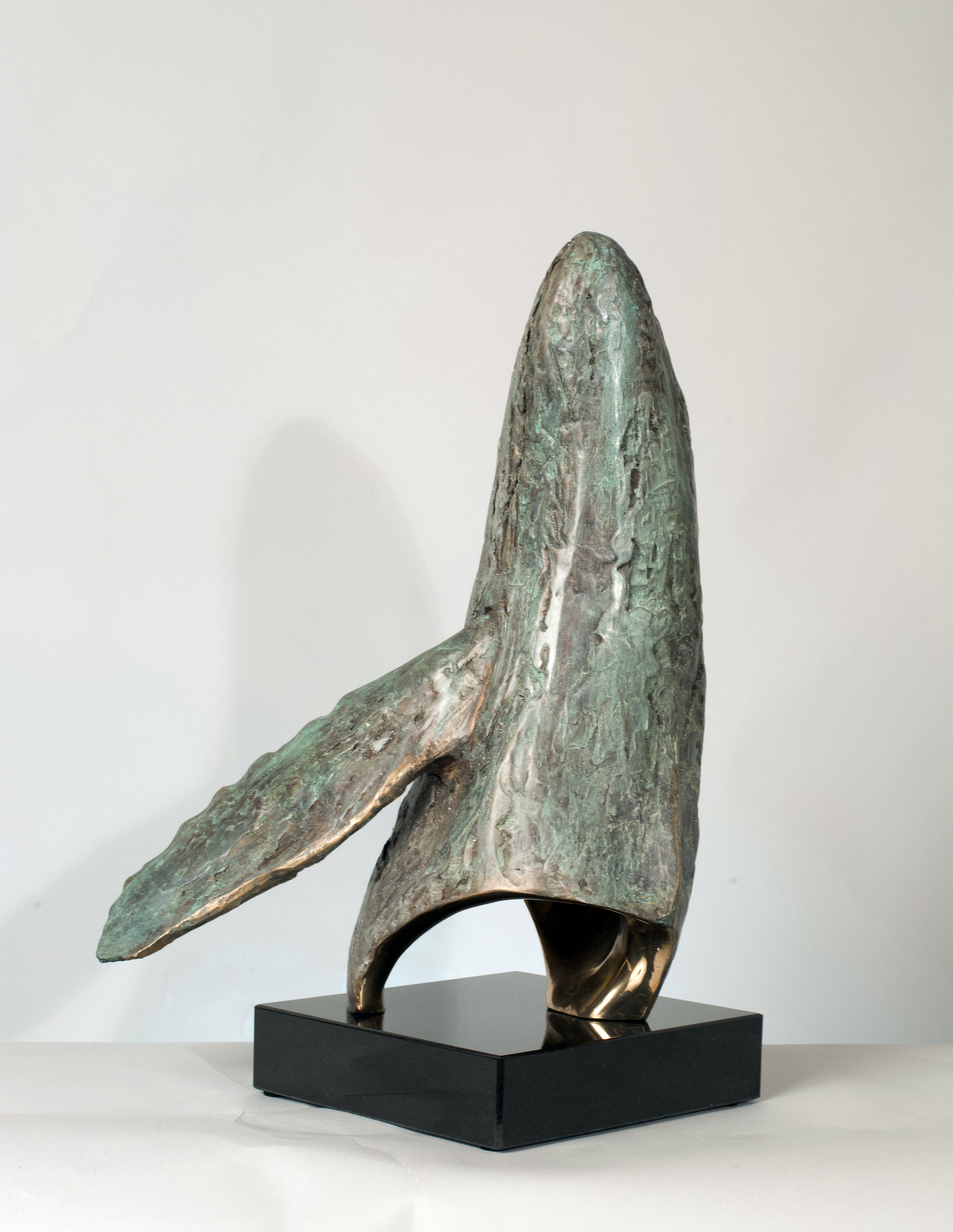
The new whale sculpture grew from precisely such an encounter.
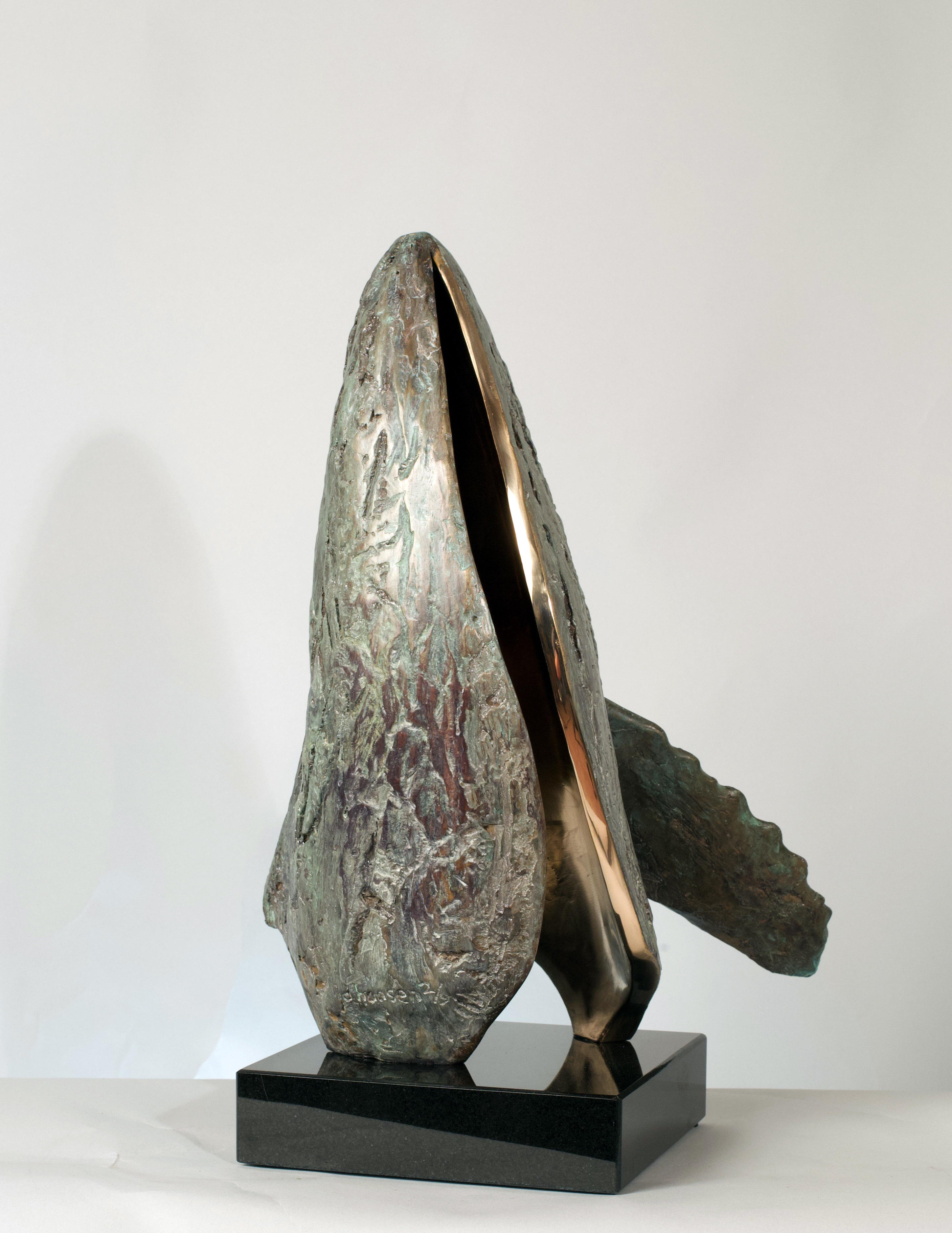
It is an unusual work within her oeuvre, and Hansen makes no attempt to disguise that fact. The recognizable mass of the whale emerges in heavily worked bronze, its surface carrying the tactile evidence of the artist's hand. Against that rugged, almost geological exterior, openings reveal smooth, highly polished bronze within. The contrast is characteristic Hansen: rough and refined, exterior and interior, weight and lightness occupying the same object.
There is also something wonderfully improbable about reducing an animal of such monumental scale to an intimate sculpture. Hansen is not attempting zoological description. This is not a model of a whale so much as the memory of meeting one.
And memory, after all, is rarely interested in accurate dimensions.
If the whale sculpture is about the extraordinary privilege of an encounter, Heartbreaker considers the other side of attachment: what happens when loving something also means accepting that it cannot remain in your hands.
The things we hold most dearly are, inconveniently, also the things with the greatest capacity to break our hearts.
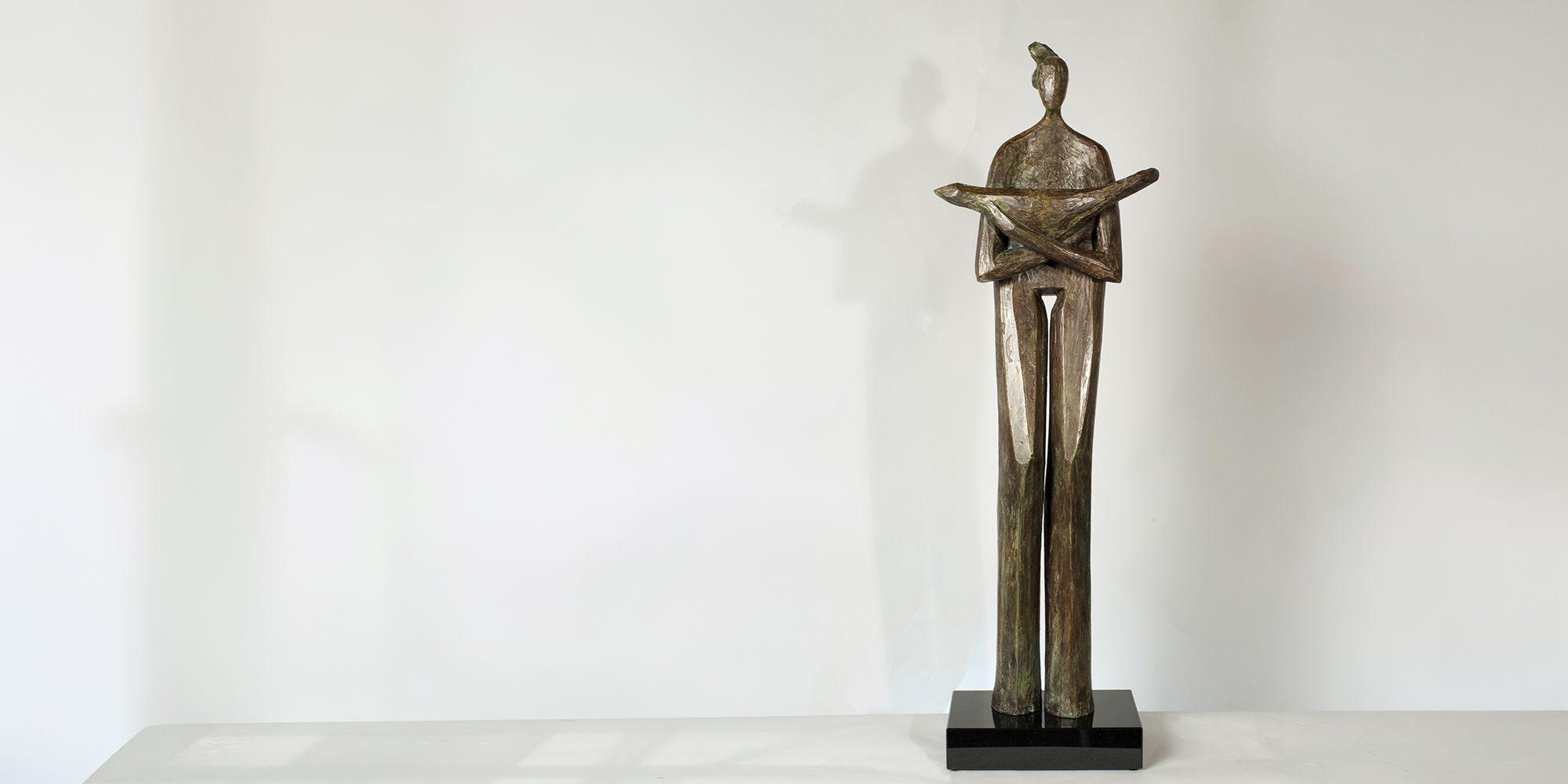
Hansen captures that contradiction in a deceptively simple gesture: a woman holds a bird close to her chest.
She does not clutch it. She cradles it.
That distinction matters. The bird is precious precisely because it cannot be possessed. Its nature is to fly, and the woman who holds it must eventually open her arms. Hansen captures the moment before that happens—the brief interval when love and impending loss occupy exactly the same space.
It is a theme that extends well beyond the relationship between human beings and nature. Anyone who has loved another person deeply will recognize it. Parents perhaps understand it with particular clarity: so much of loving a child consists of protecting and holding close something one is ultimately preparing to release into the world.
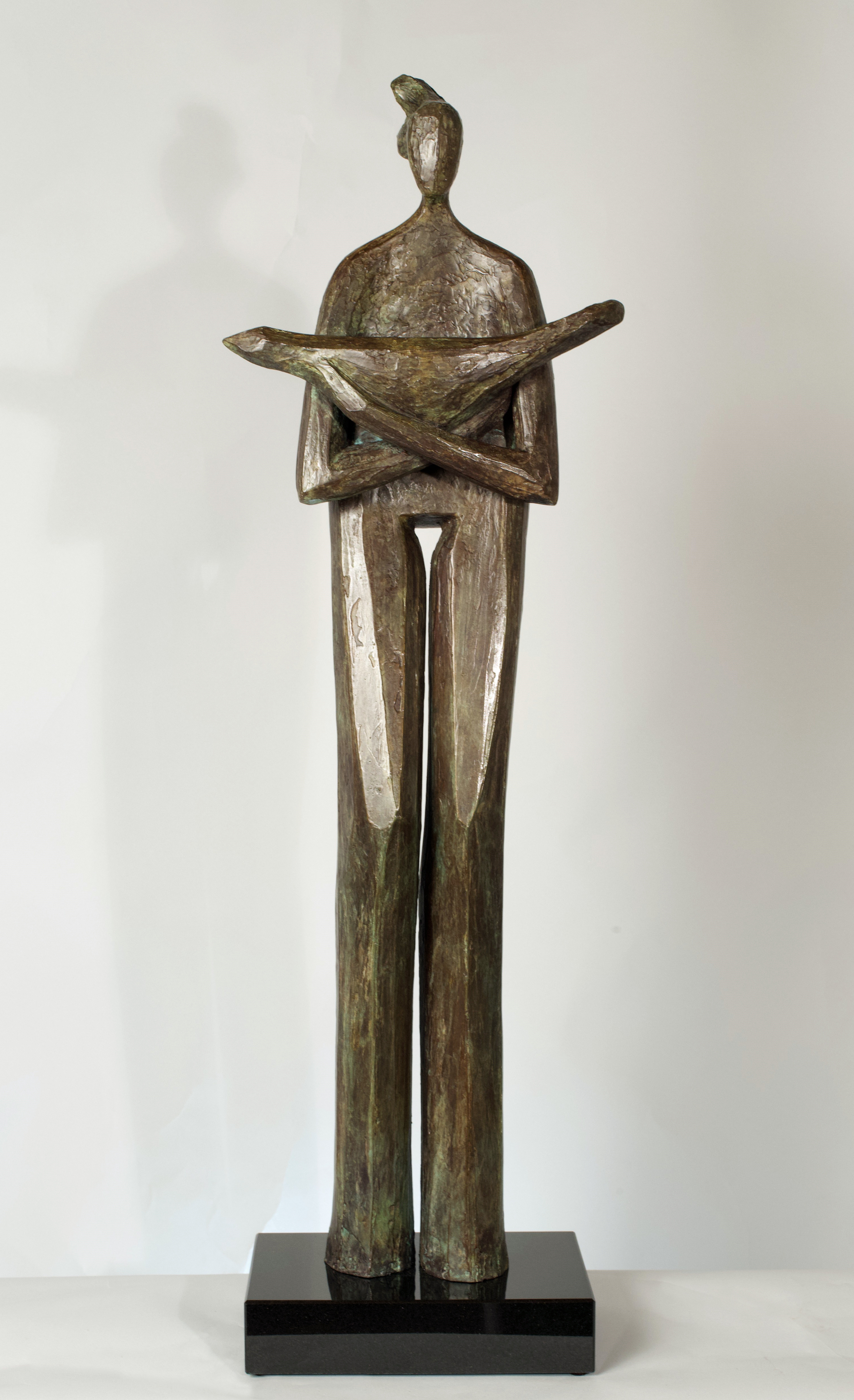
Hansen gives the idea physical form through the elongated proportions that have become central to her sculptural language. The figure rises vertically, almost impossibly slender, while her arms and the bird create a strong horizontal passage across the body. At its center is the woman's chest—the place where she quite literally holds what she loves closest to her heart.
The bird introduces another of Hansen's recurring subjects: nature not as backdrop or decoration, but as a counterpart to human experience. Here, its freedom is essential. To keep the bird would be to deny the very quality that makes it a bird. To love it properly requires letting it go.
That is the double edge at the heart of Heartbreaker. Love makes us vulnerable not despite its value, but because of it. The greater the attachment, the greater the possibility of loss.
Hansen does not resolve the contradiction. Wisely, she leaves the woman holding the bird.
For now.
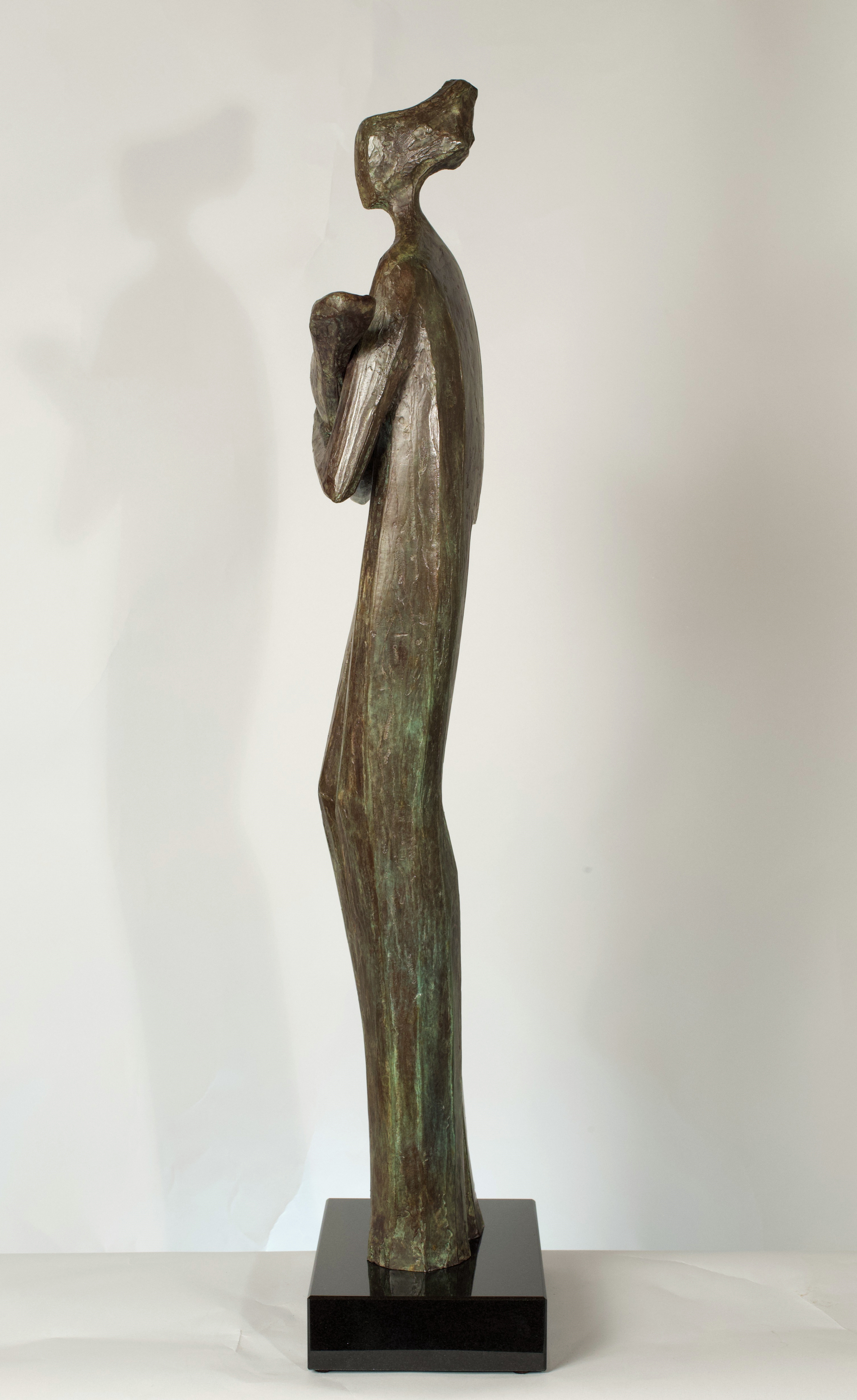
Placed together, the two new sculptures reveal how consistently Hansen returns to the space between connection and independence. The whale is free to approach and disappear again into the Pacific. The bird is held close, but must eventually fly.
Neither can truly be possessed. That, perhaps, is precisely why the encounters matter.
For an artist whose work has spent decades examining the human condition, jd hansen has occasionally allowed an animal into the conversation. Horses...
David Ebony is one of the most influential voices in American art criticism today. A contributing editor of Art in America, with regular writing for...
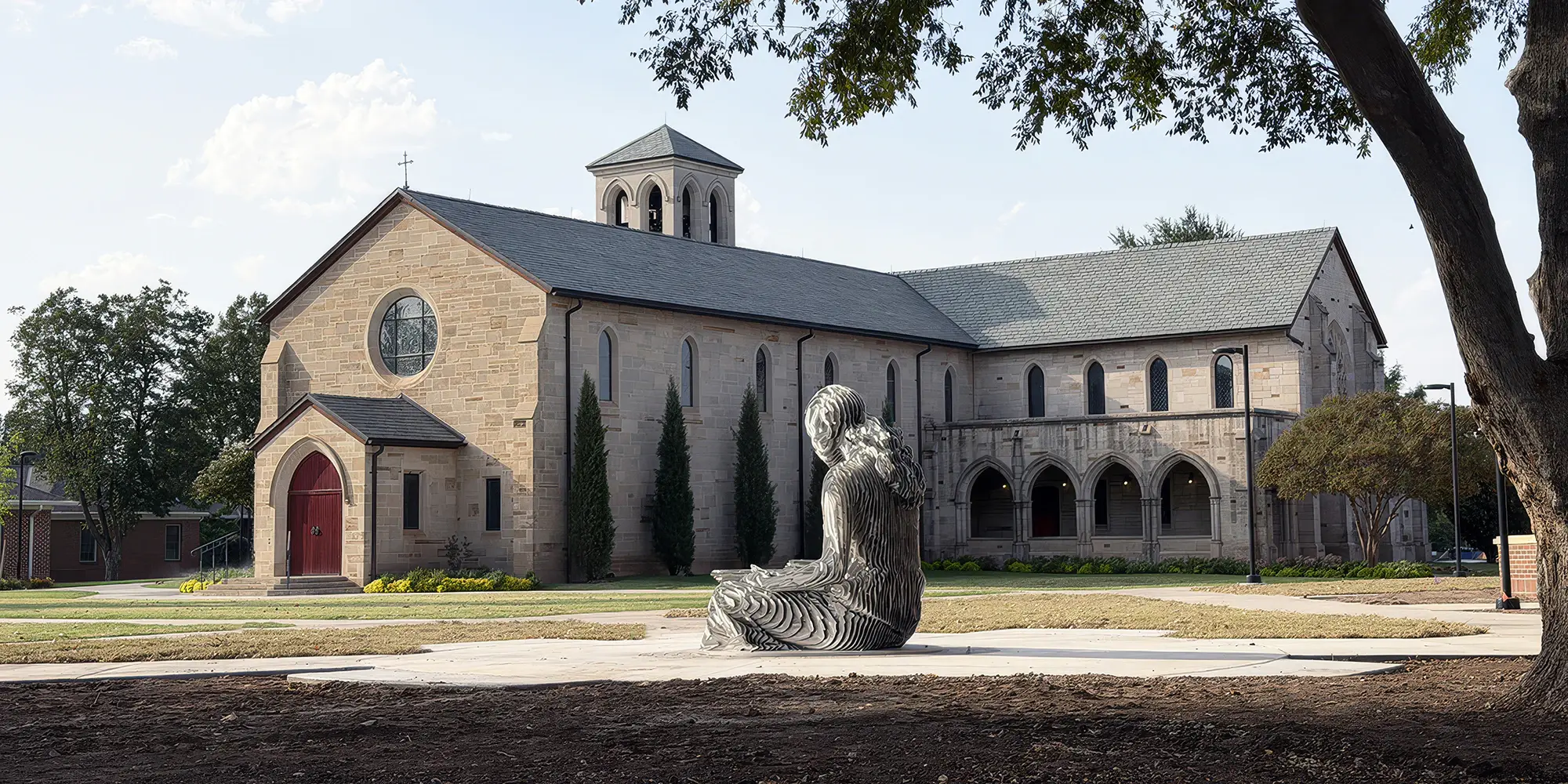
Julian Voss-Andreae’s new monumental public sculpture "Thalia" was unveiled near the Chapel of St. Edward the Confessor at Casady School